
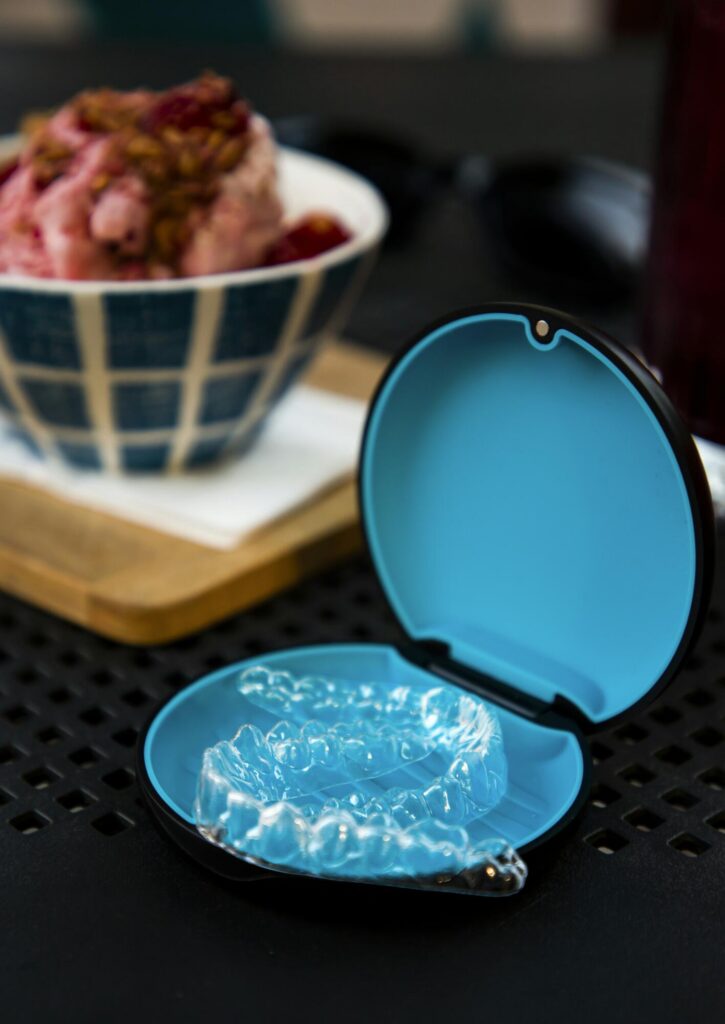
Does Invisalign hurt? Most people experience mild pressure and soreness, especially during the first few days of a new tray, but the discomfort is temporary and usually far less intense than traditional braces. For most patients, Invisalign pain feels like tightness rather than sharp pain and fades as the teeth adjust.
According to the American Association of Orthodontists, nearly 1 in 5 orthodontic patients is an adult. Are you worried that aligners might interfere with daily comfort or sleep?
The good news is that Invisalign discomfort is predictable and manageable with simple strategies. Today we’re taking a closer look into how Invisalign feels, when soreness tends to peak, and practical ways to improve your overall treatment experience.
What Is the Most Painful Stage of Invisalign?
The most painful stage of Invisalign tends to happen right at the beginning. Your teeth and gums feel pressure as they start shifting into new positions.
- Initial tray adjustment
- Attachment pressure
- Refinement sensitivity
Initial Tray Adjustment
The first set of aligners often creates the strongest Invisalign discomfort. Your mouth hasn’t adapted yet, so every movement feels noticeable.
Many patients describe Invisalign pain during this stage as a dull ache or tight squeeze. The pressure peaks during the first two or three days, then fades.
Teeth respond to steady force, and your body starts adjusting quickly. Each new tray after that still creates pressure, yet the shock isn’t as intense. The early days shape your overall Invisalign treatment experience.
Attachment Pressure
Small tooth-colored attachments help guide movement. They add grip, which can increase soreness at first.
Lips and cheeks may feel irritated until soft tissue toughens up. That irritation fades as your mouth adapts.
Refinement Sensitivity
Refinement trays fine-tune alignment. They sometimes target stubborn teeth, which can restart temporary Invisalign pain.
That sensitivity signals active movement, not harm. Most people find the discomfort short-lived and manageable.
Does Invisalign Hurt More Than Braces?
People often compare Invisalign with traditional braces when they worry about pain. Many patients report that Invisalign discomfort feels more controlled and steady.
- Continuous aligner pressure
- Braces tightening discomfort
- Soft tissue irritation
Continuous Aligner Pressure
Invisalign applies gentle force across the entire tooth surface. That pressure stays constant instead of arriving in sharp bursts.
Invisalign pain often shows up as soreness when chewing or removing trays. The sensation fades as teeth settle into position.
Patients tend to adjust faster with each new tray. That steady pattern shapes a predictable Invisalign treatment experience.
Braces Tightening Discomfort
Metal braces create strong pressure after adjustment appointments. Teeth may throb for several days after tightening.
The force focuses on brackets and wires, which can feel sudden. Some people find that pattern harder to manage than aligner pressure.
Soft Tissue Irritation
Braces can rub against cheeks and lips. Wires may poke soft tissue and cause small sores.
Invisalign trays have smooth edges that reduce friction. Less irritation often means less day-to-day Invisalign discomfort.
Why Invisalign Pain Happens
Each aligner applies steady force to guide teeth into new positions. Bone around the roots breaks down and rebuilds in tiny areas. That remodeling allows movement, yet it triggers sensitivity.
Invisalign discomfort often feels strongest when new trays start working. The pressure signals that bone cells are active.
Ligament Stretching Pressure
Teeth sit in sockets supported by ligaments. Those ligaments stretch and compress during alignment.
Nerves inside the tissue respond to pressure. That response creates the aching sensation people call Invisalign pain. The feeling fades as ligaments adapt to their new position.
Inflammation Response
Minor inflammation supports healing during movement. Blood flow increases around the tooth roots.
Gums may feel tender for a short time. Swelling stays mild for most patients. The body treats the shift as controlled stress and repairs the area quickly.
Tips for Comfort During Invisalign Treatment
Switching to a new tray before bed helps manage Invisalign discomfort. Your body adjusts while you sleep, so you miss the strongest pressure window.
Morning soreness may still happen, yet it often feels milder. Many orthodontists suggest that timing for patients who worry about Invisalign pain.
Pressure Relief Habits
Chewies help seat aligners fully against teeth. Gentle biting spreads pressure evenly and reduces sharp spots.
Cold water can soothe tender gums. Soft foods give teeth a break during sore days. Those small tips for comfort lower irritation without interrupting treatment.
Oral Care Routines
Clean trays prevent bacteria buildup that can inflame gums. Brushing after meals protects sensitive tissue.
Healthy gums handle movement better, which lowers day-to-day Invisalign discomfort. Consistent care supports smoother adjustments.
Frequently Asked Questions
How Long Does Invisalign Soreness Last After Each Tray Change?
Most soreness lasts one to three days after switching trays. Teeth react strongest during the first 48 hours. Invisalign pain usually fades as pressure settles.
Later trays often cause shorter sore periods. Your mouth adapts to the pattern over time. Consistent wear helps reduce lingering Invisalign discomfort.
Can Invisalign Cause Headaches or Jaw Pain?
Some patients feel mild headaches during early adjustments. Jaw muscles respond to new bite positions.
Tension tends to drop as alignment improves. Persistent pain deserves attention from an orthodontist. Short-term pressure should not escalate into sharp or spreading pain.
Is Invisalign Pain a Sign Something Is Wrong?
Mild aching signals active movement. Sharp pain or tray misfit signals a problem. Cracked trays or gum injury need professional review. Normal Invisalign treatment experience includes pressure, not injury.
Invisalign For Straighter Teeth
Invisalign discomfort can feel intimidating at first, yet most soreness stays mild and short lived. Does Invisalign hurt? Yes, but the pressure signals progress, not damage.
At Central Virginia Orthodontics, we’ve built our practice around a calm, welcoming atmosphere where patients feel at home from the moment they arrive. Since 2013, our team has proudly served the Greater Lynchburg community with orthodontic care that focuses on comfort, value, and results. We treat children, teens, and adults, offer payment options that respect family budgets, and deliver modern care in a warm environment centered on confident, healthy smiles.
Get in touch today to find out how we can help with your Invisalign needs.