Your Guide to the Different Types of Braces for Adults
December 22, 2025

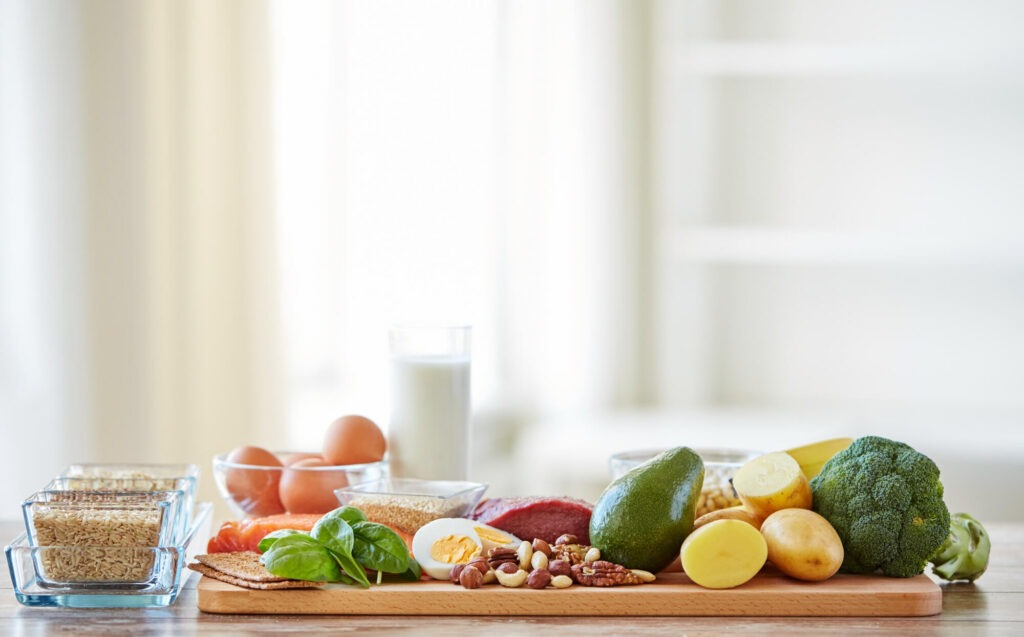
An Invisalign diet allows you to eat most foods when your aligners are removed, but you must clean both the trays and your teeth before replacing them. This is vital because anything left behind can affect oral hygiene, comfort, and treatment results.
Clear aligners are no longer just a niche option; they accounted for $5.13 billion in the global invisible orthodontics market, with a projected CAGR of 30.7% through 2030 (Consumer Affairs). With millions of people using them, understanding the impact of your eating and cleaning habits is key to long-term success.
This article explores Invisalign-friendly foods and best practices for maintaining oral health with Invisalign during treatment in Lynchburg, VA.
At first glance, the idea of an Invisalign diet can seem unnecessary; after all, you remove your aligners before eating. The concept isn’t about restricting food choices; it’s about managing when you eat and how you care for your teeth and aligners afterward.
To keep treatment on track, Invisalign trays must be worn 20 to 22 hours per day. This leaves a smaller window for eating and cleaning, which is why consistency matters. Even minor lapses matter because of how quickly bacteria react in the mouth:
Poor hygiene can also lead to additional dental issues that require intervention, potentially slowing or interrupting Invisalign progress.
Invisalign requires a full hygiene routine every time you eat. This means if you snack three or four times a day, you are repeating this process way beyond your main meals. The more cleaning cycles you add, the more likely you are to skip one or rush through it.
Every snack shortens the hours your aligners are in place, and frequent breaks can slow progress. Structured meals mean fewer interruptions, fewer cleanings, and more consistent wear time.
Sticky foods like caramel, taffy, gummy candies, and dried fruit can leave behind a residue that is difficult to fully remove before reinserting aligners. Sugar in these foods fuels bacteria that produce acids.
Repeated acid exposure can demineralize enamel, making teeth more vulnerable to erosion. This is why extra care is needed after eating acidic foods like citrus fruits or vinegar-based dressings. Starches that also break down into sugar include:
Pigmented foods like coffee, tea, curry, and tomato sauce can stain both teeth and aligners if residue isn’t cleaned thoroughly.
Rinse aligners under lukewarm water as soon as you take them out. This helps prevent saliva and plaque from drying on the surface.
Never use hot or boiling water. Heat can warp the plastic and change the fit of the aligners.
Use a soft-bristle toothbrush to clean them gently. Avoid toothpaste because it can be abrasive and cause scratches that trap bacteria.
Soak aligners as needed by using Invisalign cleaning crystals or a dentist-recommended cleaning solution. This removes any buildup and keeps them clear.
A good oral health diet focuses on foods that strengthen enamel, promote healthy saliva flow, and limit harmful bacterial activity in the mouth. Consider these Invisalign dietary guidelines:
Managing cleaning is about technique, not skipping hygiene. Take a look at these suggestions:
Speak to your dentist for tailored advice in this regard.
Yes. Aligners can contribute to bad breath if food particles, plaque, or bacteria are trapped under the trays.
Only water is safe to drink with aligners in place. All other beverages should be consumed only after removing the trays.
It’s a common misconception that clear-looking drinks, such as herbal teas or vitamin waters, are harmless. However, many of these beverages contain acids or other additives that can damage enamel if trapped under aligners. Over time, this exposure may lead to increased tooth sensitivity.
Neither is recommended during treatment. Smoking and vaping can stain both teeth and aligners and leave behind stubborn residue. Smoking is also linked to reduced blood flow and a higher risk of gum disease, which can impact treatment outcomes.
It may take more planning, but it is manageable once you build a routine. Bring a small case with water, toothpaste, and a brush to make cleaning easy. If brushing isn’t possible right away, rinsing with water helps until proper cleaning is done.
An Invisalign diet is about the habits connected to eating and cleaning. Small choices around meals, snacks, and cleaning routines can influence both comfort and oral health. Consistent routines make treatment easier to maintain alongside a regular lifestyle.
At Central Virginia Orthodontics in Lynchburg, our mission is to create healthy, beautiful smiles. Led by Dr. Eric Baugher and Dr. Jennifer Claiborne, our experienced team provides orthodontic care for children, teens, and adults with a focus on comfort and results. Whether you choose Invisalign clear aligners or traditional braces, we offer personalized treatment that fits your lifestyle. Schedule a consultation today.